This blog is managed by the content creator and not GhanaWeb, its affiliates, or employees. Advertising on this blog requires a minimum of GH₵50 a week. Contact the blog owner with any queries.
Ted News Ghana Blog of Tuesday, 15 April 2025
Source: TEDDY VAVA GAWUGA
NHIA to Expand Free Dialysis Programme Nationwide to Support Renal Patients
- Share:


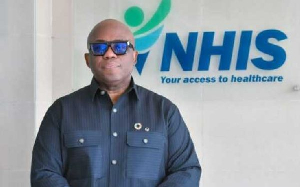
The National Health Insurance Authority (NHIA) has announced an ambitious expansion of its free dialysis programme, aimed at providing broader and more equitable access to life-saving treatment for renal patients across Ghana.
As part of the initiative, the NHIA will procure additional dialysis machines and essential medical consumables for health facilities throughout the country. This move aligns with the government’s ongoing commitment to improve access to critical healthcare services, especially for vulnerable populations.
Speaking on the programme, NHIA Chief Executive Officer, Dr. Victor Bampoe, highlighted the need for a more sustainable approach to dialysis care under the National Health Insurance Scheme (NHIS).
“The previous government started the free dialysis, and there are currently 20 centres where the service is offered at no cost,” he said. “What is needed now is to expand it and ensure sustained funding.”
Dr. Bampoe explained that the goal is to integrate dialysis treatment into the NHIS as a standard benefit, similar to coverage for other chronic conditions.
“Instead of the programme relying on special or ad hoc funds, it should be treated like any other disease covered under the NHIS,” he added.
The high cost of dialysis has long been a burden on patients and their families in Ghana, with many unable to afford the regular treatments necessary for survival. By scaling up the programme, the NHIA hopes to relieve this financial strain and improve the quality of life for people living with kidney disease.
The expansion is expected to roll out in phases, with a focus on strengthening infrastructure, increasing service points, and ensuring consistent supply of medical inputs.